

Articles
Barnabas: The Man Who Made Room for Paul
September 8, 2026

What if one of the greatest contributions you ever make to the kingdom of God isn’t something you build for yourself—but someone you believe in and build up?
Everyone knows Paul. Paul the apostle. Paul the missionary. Paul the theologian. Paul the church planter whose letters would eventually make up a significant portion of the New Testament.
But before Paul became the apostle we know today, he had a problem: the church didn’t trust him.
And understandably so.
This was Saul of Tarsus—the man who had approved of Stephen’s death and tried to destroy the church. Acts tells us that he went from house to house, dragging Christians away and throwing them into prison. Then Saul encountered Jesus. His life changed. But his reputation didn’t.
When Saul eventually arrived in Jerusalem and attempted to join the disciples, Acts tells us:
“They were all afraid of him, not believing that he really was a disciple.” — Acts 9:26
Imagine walking into that room. Some of those Christians may have known people Saul imprisoned. Others may have lost friends because of his persecution. Perhaps some had hidden from him. Now Saul was saying, I’m one of you. The church had every reason to be suspicious. And then one man stepped forward. Barnabas.
The Man Standing Beside Saul
Luke introduces Barnabas almost quietly.
But here’s an interesting detail: his name was actually Joseph. The apostles gave Joseph a new name: Barnabas (Acts 4:36). Acts translates it as “Son of Encouragement.” The name can carry the sense of consolation, exhortation, or strengthening speech. Whatever nuance we emphasize, the apostles apparently saw something so consistently life-giving in Joseph that encouragement became his identity.
Barnabas was a Levite from Cyprus with connections to the Jerusalem church. Early Christian tradition would later associate Barnabas with the larger circle of Jesus’ disciples, even identifying him with the seventy—or seventy-two—sent out in Luke 10, though the New Testament itself doesn’t make that identification.
And his generosity matched his words. Acts 4 also tells us Barnabas owned a field, sold it, and brought the money to the apostles to meet the needs of the growing Christian community.
And Barnabas’ role in Paul’s life and ministry cannot be overstated. Before he ever gave Paul an opportunity, Barnabas had already given himself. His land. His resources. His reputation. And eventually, his credibility. Because when everyone else stepped away from Saul, Barnabas stepped toward him.
Acts says:
“But Barnabas took him and brought him to the apostles.” — Acts 9:27
Don’t move past that sentence too quickly. “Barnabas took him.” Barnabas was effectively saying to the frightened church: I know his history. I know what he has done. But I have heard his story. I have seen what Jesus has done in him. And I am willing to put my name beside his.
Paul had encountered Jesus on the road to Damascus. But Barnabas helped open the door for Paul to enter the community he had once persecuted. Barnabas simply saw grace at work in someone everyone else still saw through the lens of his past.
As the church in Antioch was growing and ministry needs were increasing, Barnabas needed help. So, he went looking for Saul. “Then Barnabas went to Tarsus to look for Saul” (Acts 11:25).
Years earlier, when Jerusalem was afraid of Saul, Barnabas brought Saul to the apostles. Now, when Antioch needed leadership, Barnabas brought Saul to Antioch. Again and again, Barnabas became a bridge—bringing together people who might never have found their way to one another without him.
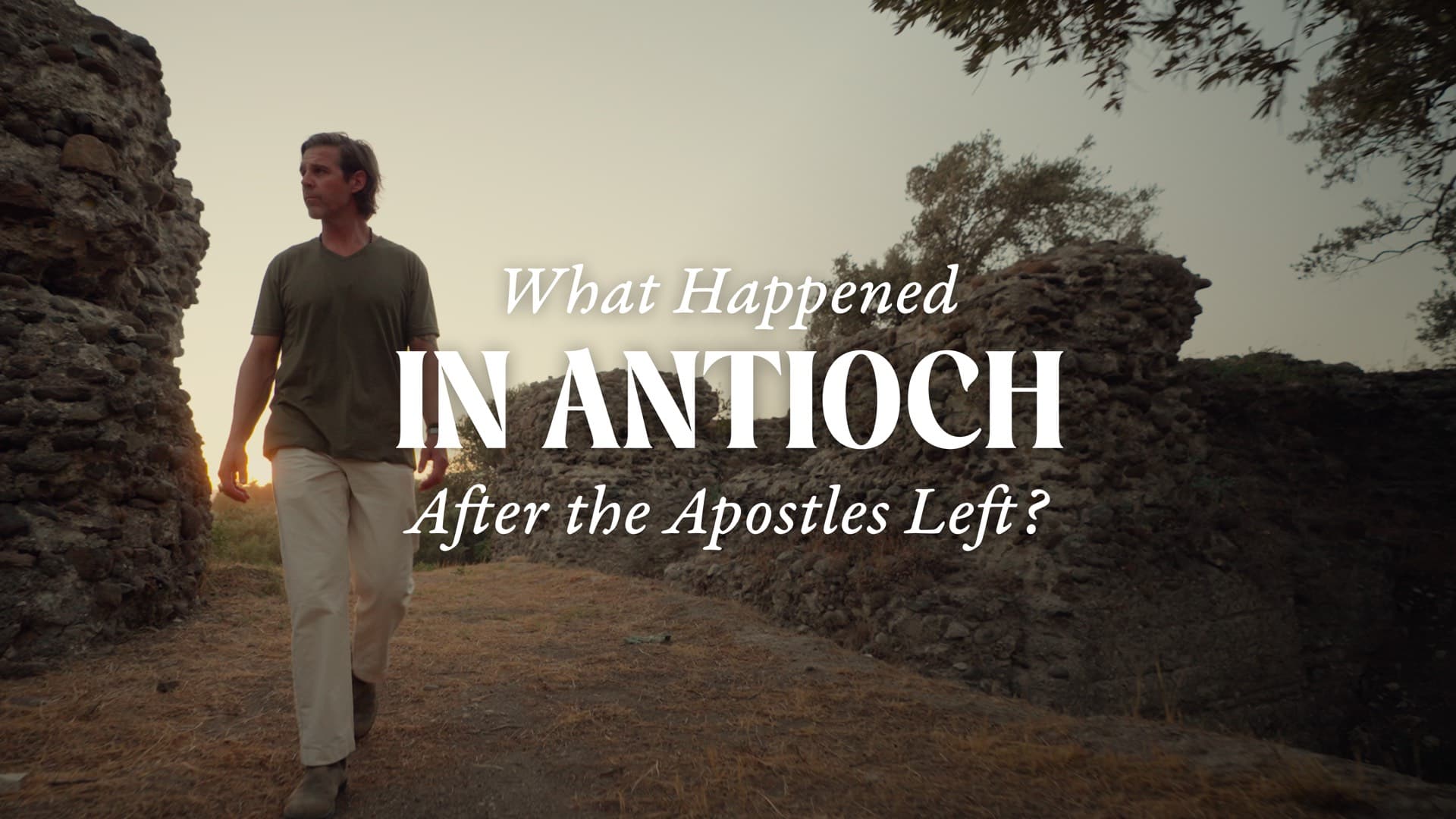
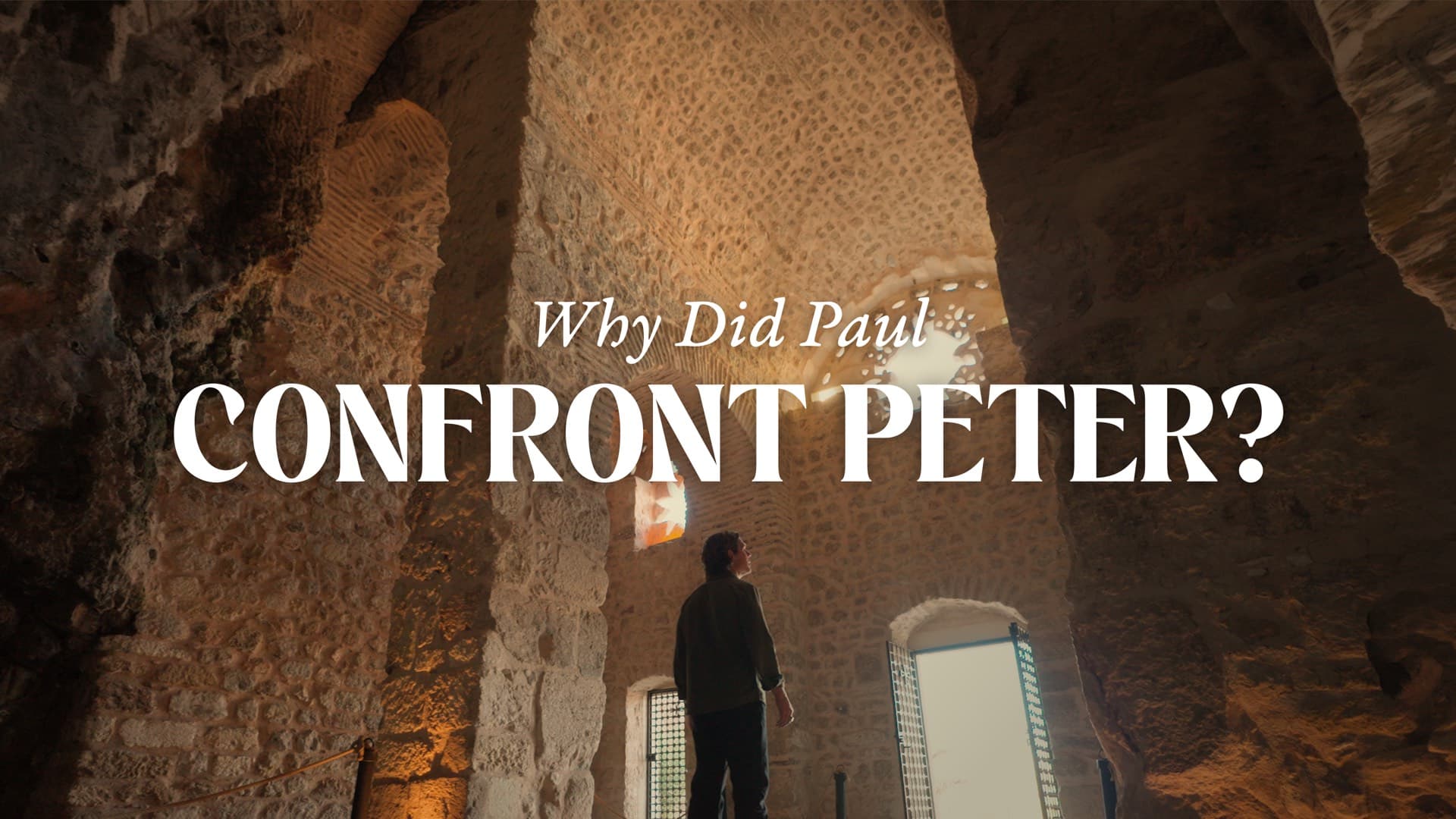
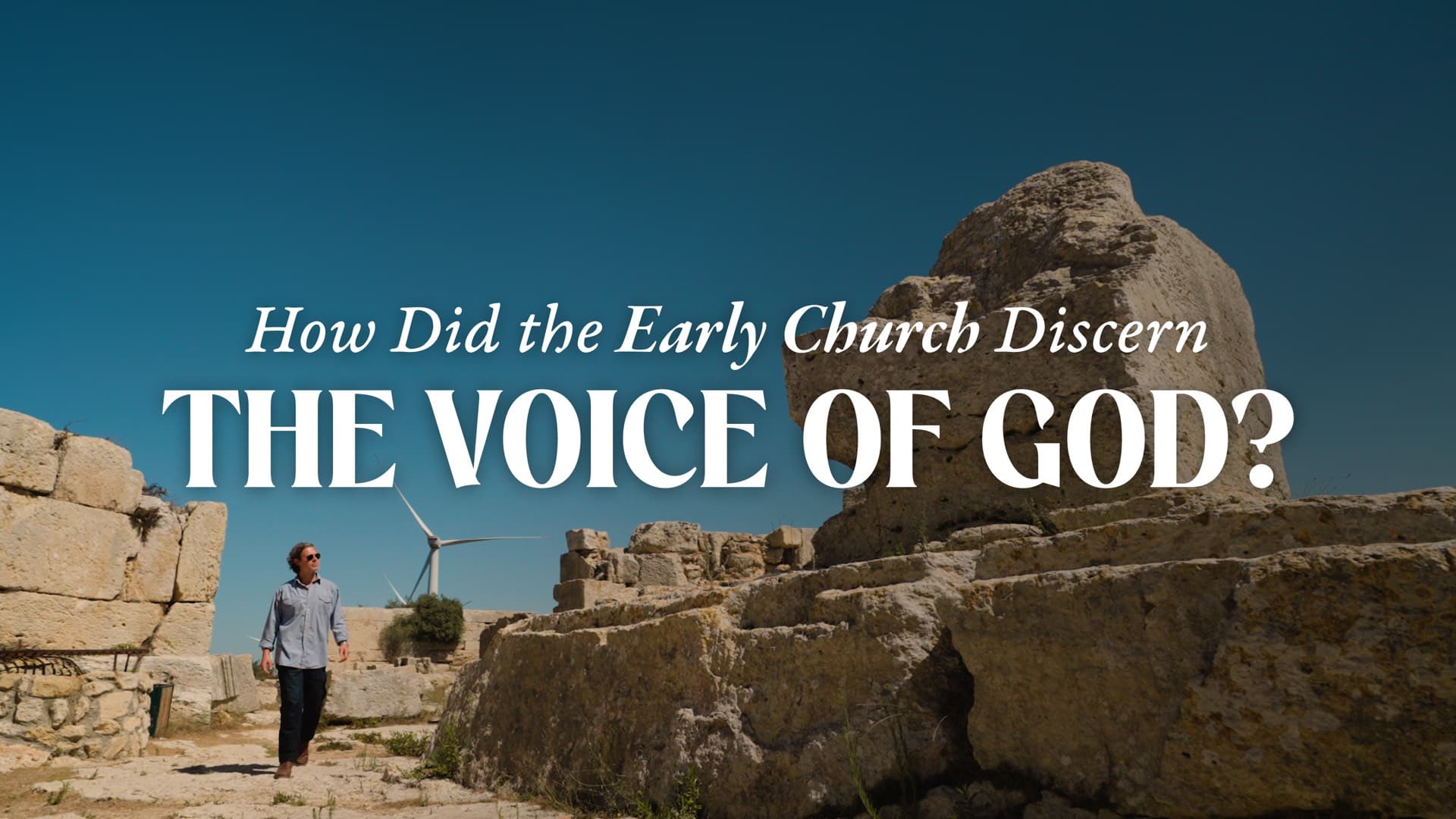
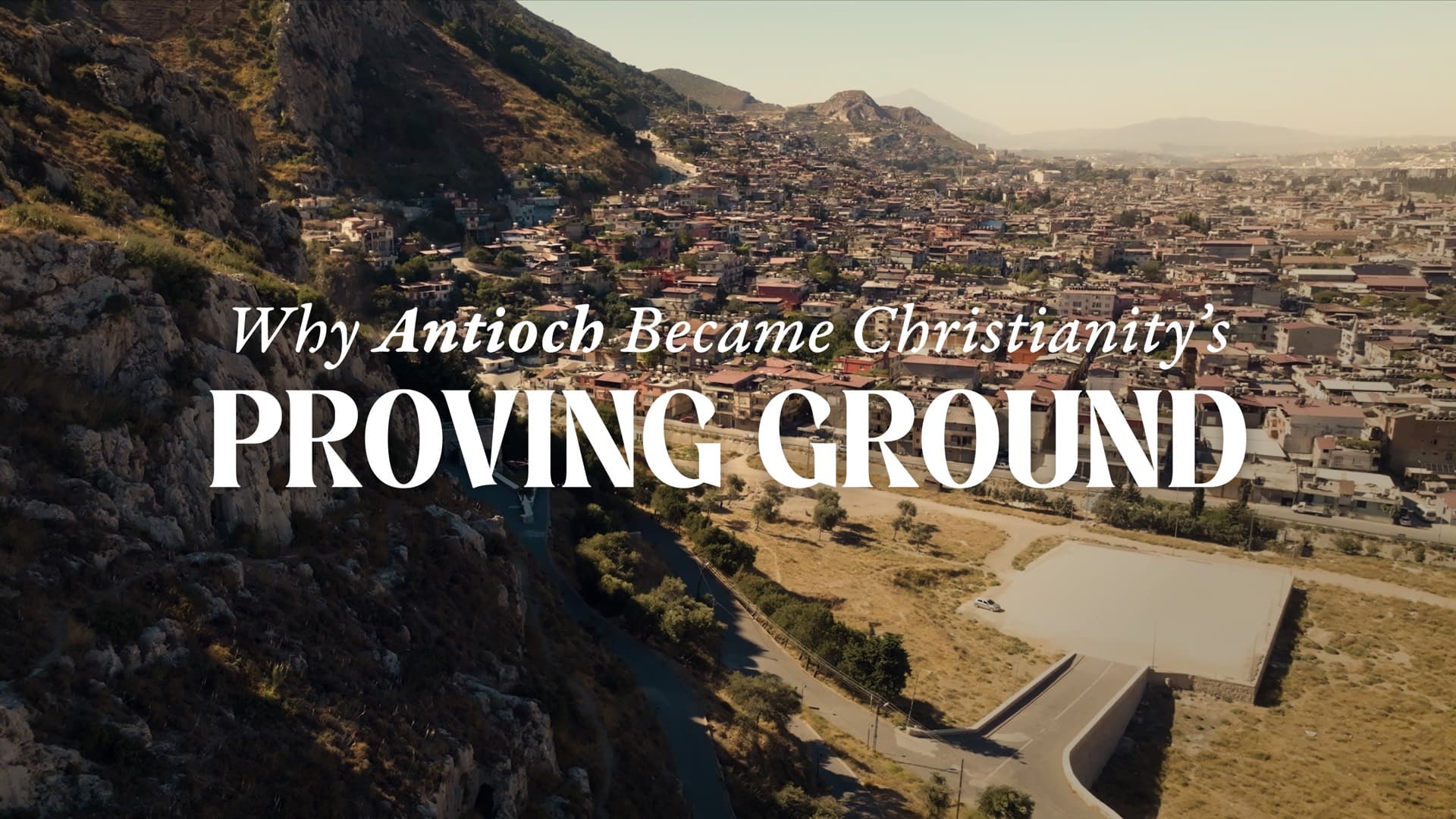
See how Barnabas became a bridge between people, cultures, and communities in Cities of the First Christians: Antioch, a five-part series with Dr. Matthew Larsen. Explore the series →
Barnabas didn’t simply believe Paul could be forgiven. He believed Paul could be useful. He could have protected his influence. Instead, he invited someone whose gifts might eventually eclipse his own.
And this is where Luke gives us an important detail about Saul’s name. Acts 13:9 says, “Then Saul, who was also called Paul…” Jesus did not change Saul’s name to Paul at his conversion. Saul and Paul were two names belonging to the same man—“Saul” his Jewish/Hebrew name and “Paul” his Roman name. Luke has referred to him as Saul throughout the earlier chapters of Acts, but here, as the mission begins moving more intentionally into the Gentile world, Luke begins referring to him as Paul.
And something else begins to change.
Acts initially speaks of “Barnabas and Saul.” Eventually the order changes: “Paul and Barnabas.” Paul becomes the prominent figure. Barnabas recedes. And apparently, Barnabas was okay with that.
The Ministry of Making Room
There is a kind of leadership our age struggles to understand. We live in a culture obsessed with visibility. Platforms. Followers. Influence. Recognition. Even ministry can become another place where we measure faithfulness by how many people know our name. Barnabas offers another vision. He sold his land. He defended Paul. He strengthened Antioch. He opened doors for other people. And then, slowly, he disappeared from the spotlight. Yet think about what happened because he was there. Without Barnabas, perhaps Saul remains isolated from Jerusalem. Perhaps the fragile experiment at Antioch fractures. Perhaps Saul stays in Tarsus longer than he should have. Only Heaven knows.
Follow the story of Barnabas, Paul, and the church at Antioch with Dr. Matthew Larsen in Cities of the First Christians: Antioch. Watch Antioch on QAVA →
There comes a moment when the story of Barnabas stops being interesting church history and starts asking something of us.
Who believed in you before everyone else could see what God was doing in you?
Most of us can name someone. A pastor. A teacher. A coach. A friend. A parent. Someone who saw something beneath our immaturity, our mistakes, or our lack of experience and made room for us anyway. Someone spent relational capital on us. Someone opened a door. Someone said, I think God is doing something in you.
And perhaps the more important question is: For whom are you becoming that person?
There are people around us carrying gifts that have not fully emerged yet. People whose past still speaks louder than their potential. People don’t need another critic pointing out what they aren’t. They need a Barnabas who can recognize what the grace of God is making them into.
Perhaps the deepest test of spiritual maturity isn’t whether you can fulfill your calling. It may be whether you can recognize, strengthen, and release calling in someone else.
Barnabas could have spent his life building the name of Barnabas. Instead, he helped build Paul and build the church at Antioch. And because he did, the gospel moved farther and faster than Barnabas could ever have taken it alone.
The kingdom of God has always advanced through people willing to become bridges—people secure enough in who they are that they don’t need to be the center of the story.
Maybe the invitation buried inside the story of Antioch is this:
Kingdom impact isn’t always about how far you go, but who goes farther because you were there.
Become the kind of person who sees grace before everyone else sees greatness. Because somewhere around you may be a Paul who simply needs a Barnabas to believe that the story God is writing in their life is bigger than the story everyone remembers about their past.
Go Deeper Into the Story of Antioch
Continue exploring Barnabas and the people who helped shape the early church in Cities of the First Christians: Antioch, a five-part series with Dr. Matthew Larsen filmed on location in ancient Antioch. Explore the series alongside Scripture and reflection questions that help you dig deeper.
Articles & Devotionals


Ready to Go Deeper? Start Free.
$9.99/month
$119.88/year
- 7-day free trial
- 150+ hours of Bible studies, series, & documentaries
- New content added monthly
- Guided reflections & daily tools
- Ad-free platform
$89.99/year
Save 25% vs. monthly
- 7-day free trial
- 150+ hours of Bible studies, series, & documentaries
- New content added monthly
- Guided reflections & daily tools
- Ad-free platform
Try it free. Cancel anytime.