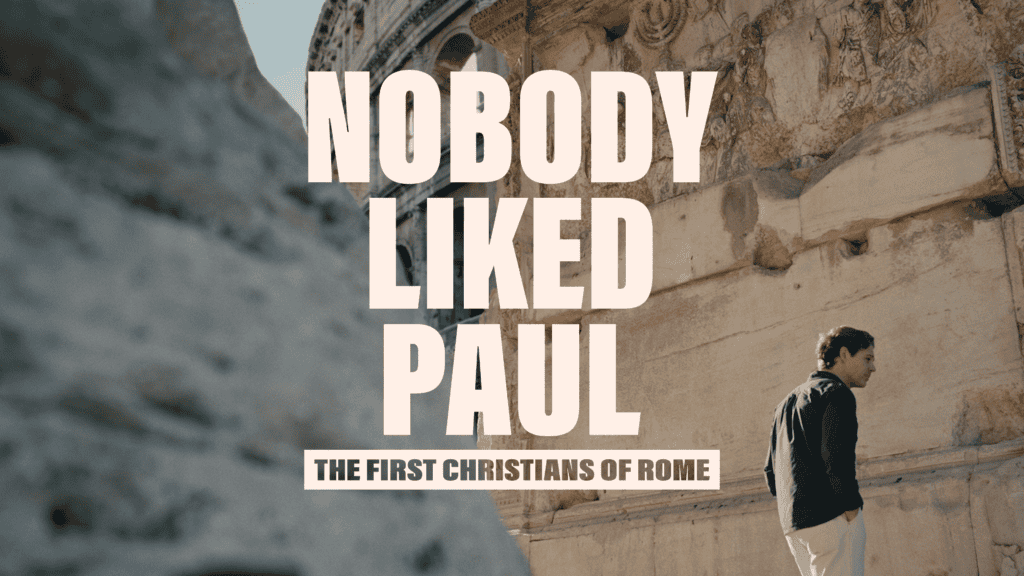
Join us for a 2-season adventure through the life of the apostle Paul, a man often misunderstood, yet whose bold message shaped the early Church. Set against the cultural and historical backdrop of the ancient world, discover how his radical journey changed the course of history.
From persecutor to preacher, Paul’s journey didn’t just change his life—it shaped the world. But how much do we truly know about the man behind the letters, his transformative travels, and the cultural battles he faced? Join historian Matthew Larsen as he unravels the untold story of Paul’s mission, exploring the ancient world’s key locations that shaped his message and legacy.
Step into Paul’s world. Start exploring and discover how his bold actions continue to impact us today.
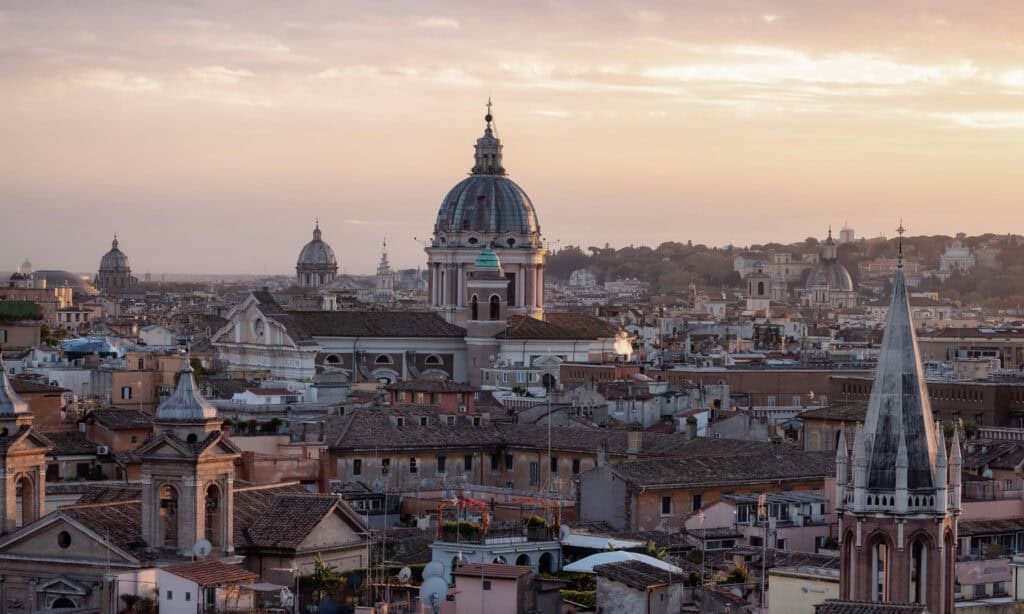
In Rome, Paul the Apostle continued to spread the gospel even while under house arrest. Although he was a prisoner, he was granted a measure of freedom to teach, write, and proclaim Christ’s resurrection to both Jews and Gentiles. During this time, Paul writes several of his letters, or epistles, which are canonized in the New Testament as Ephesians, Philippians, Colossians, and Philemon. Although he was martyred in Rome, his time in the city significantly contributed to the establishment and growth of the early Christian church in the heart of the Roman Empire.
To Paul, the world is ending, and he must spread the Gospel to the farthest corners of the earth which, in his mind, means Spain.
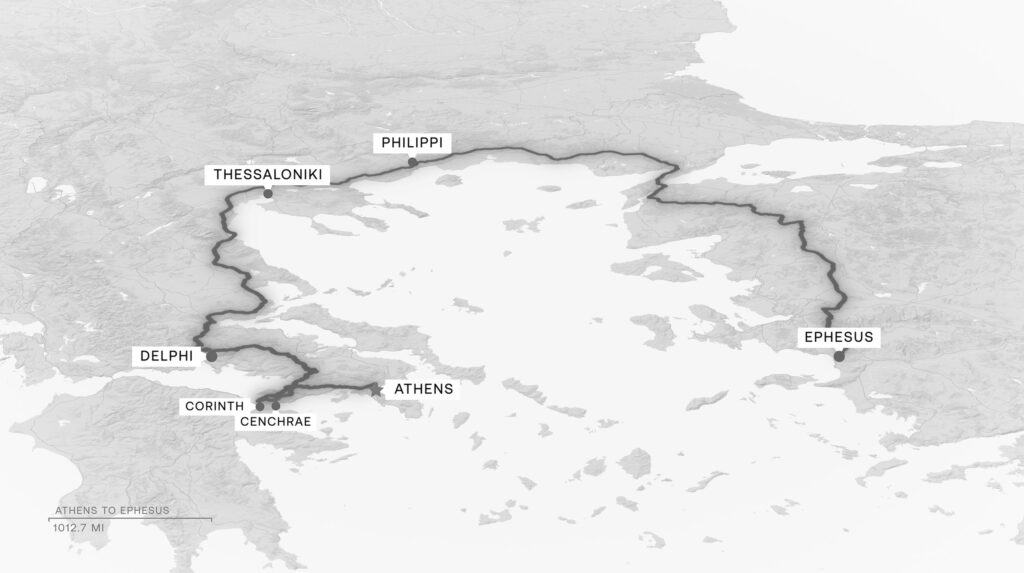
In our 21st century context, there are very few barriers to contacting someone. But in Paul’s world, his various letters to churches required much preparation and forethought
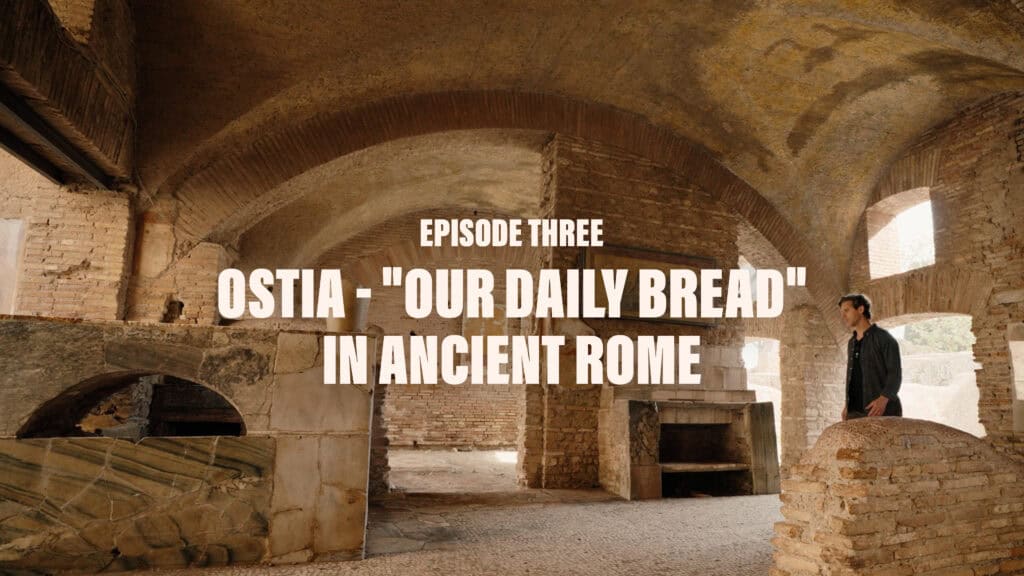
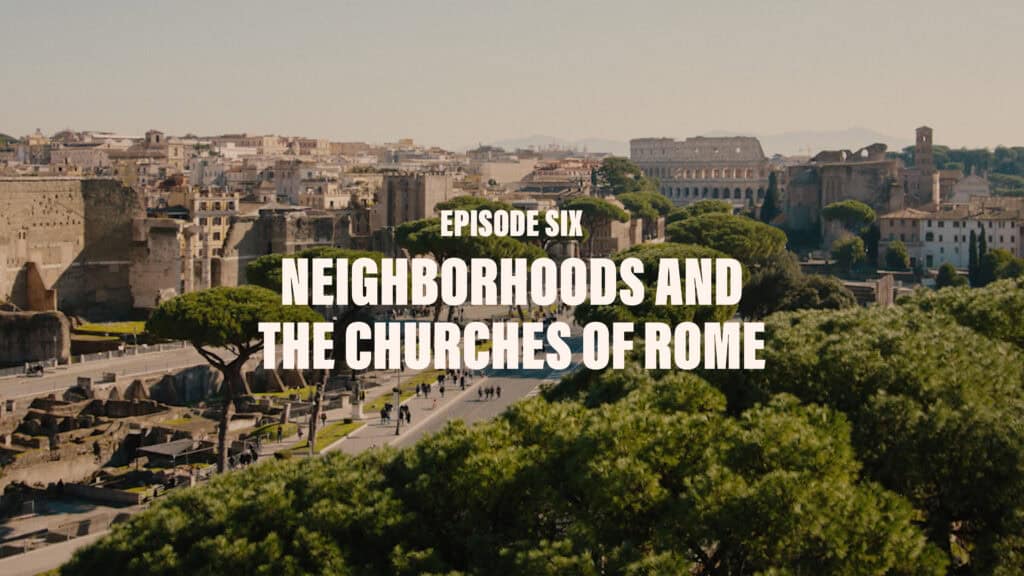
In this episode, Matthew Larsen explores what community would have looked like in ancient Rome– where life was lived and bread was broken.
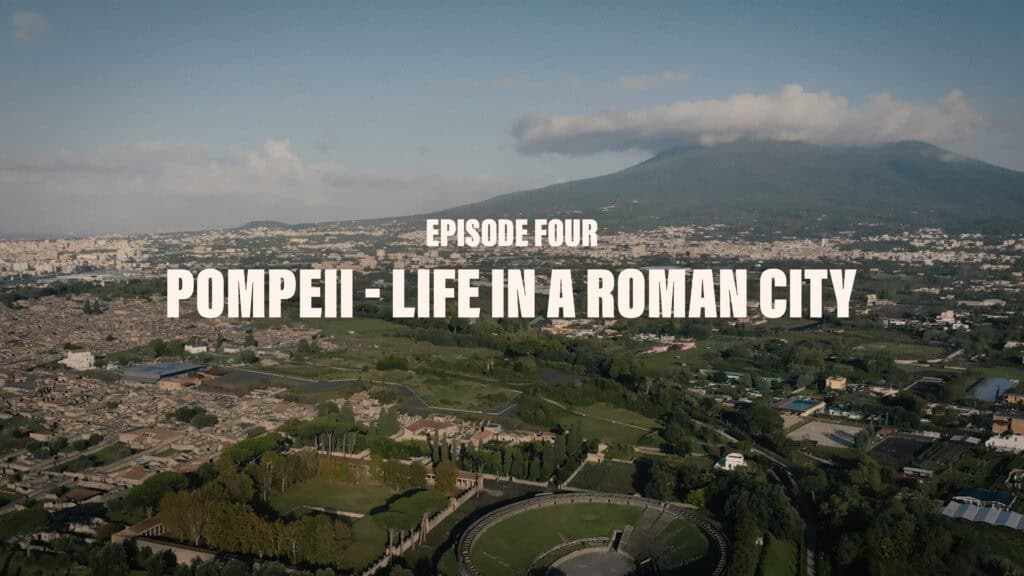
What was a Roman city like, and how would this have impacted Paul’s writing? Pompeii, left preserved by Mount Vesuvius, offers us true historical context to how a Roman city may have operated.
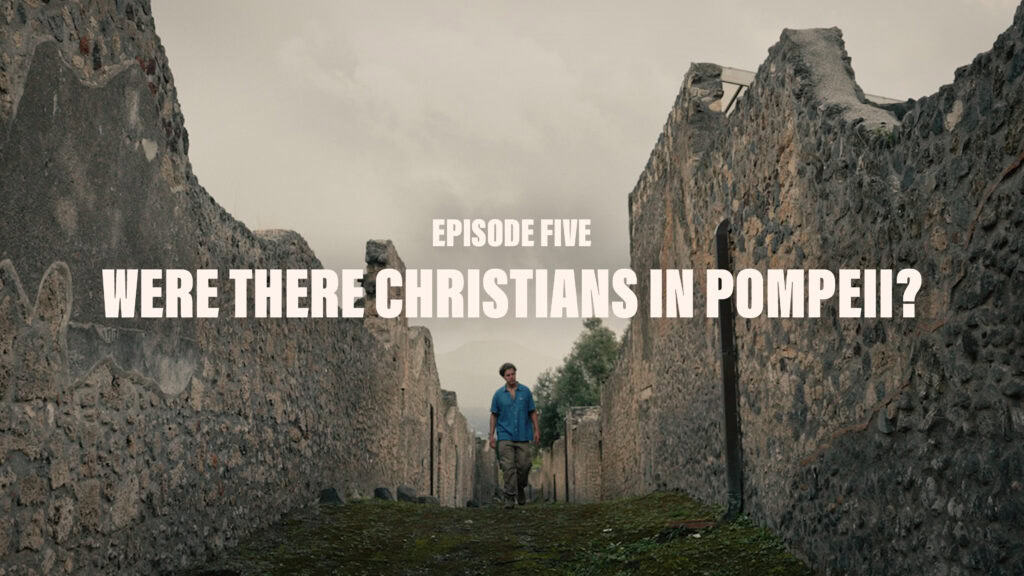
Where is the earliest material evidence for Christianity found? Could it be that there is a case for Christians having been in Pompeii?
Romans 16 gives us an important clue as to when Christianity may have arrived in Rome. At least one theory suggests that Christianity may have been in Rome even in the early 40’s.
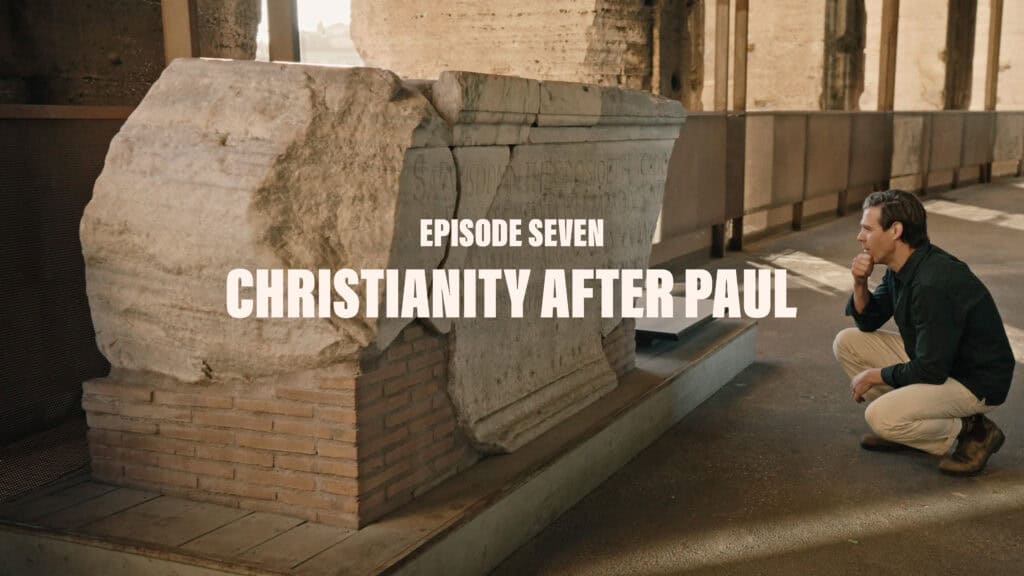
In the first century, the Colosseum was staggering in its size and scope. We still consider it a wonder today which means that thousands of years ago it would have been even harder to comprehend and take in.
Matthew is an Associate Professor at the University of Copenhagen, specializing in using archaeology to study the social world of the first Christians. Prior to Copenhagen, Matthew taught at Yale University and Princeton University. He is the author of the award-winning book, Gospels before the Book (Oxford University Press, 2018), which has been translated into Italian (Editrice Queriniana, 2022). His research is published in top academic journals and his scholarship has been featured in The Daily Beast, CHOICE, and Christian Century.
Paul the Apostle was remembered as short, bald, and bow-legged, with sunken eyes, a unibrow, and a crooked nose. The oldest known depiction dates back to the fifth century and is painted on a wall in the Grotto of St. Paul, located just outside of Ephesus.
Learn more in Season 1, Episode 4
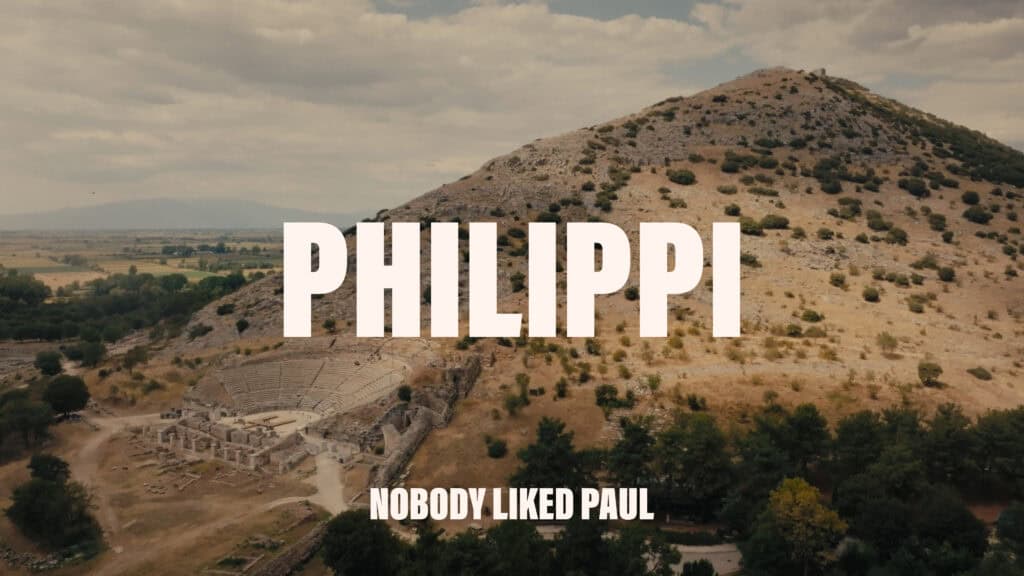
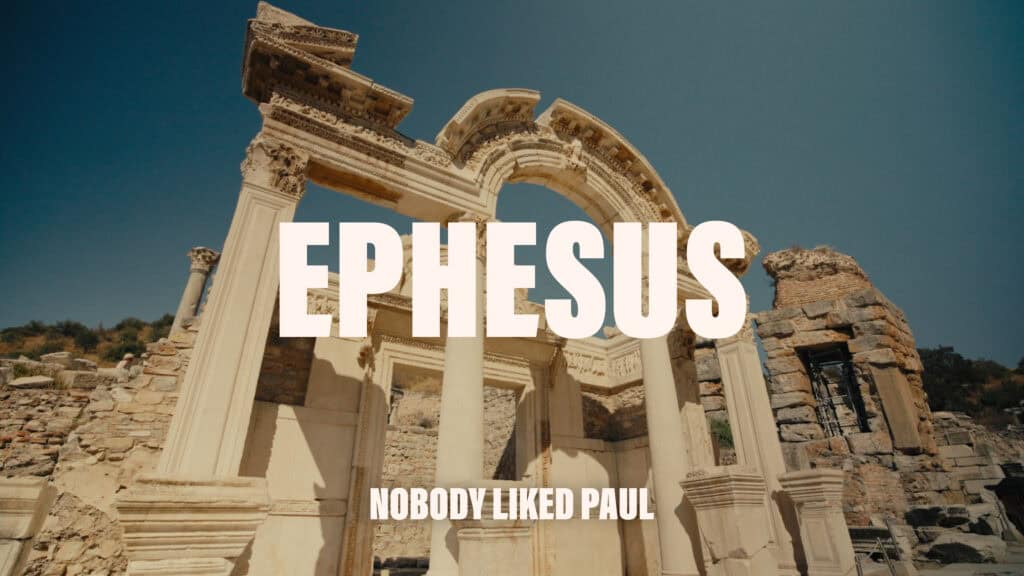
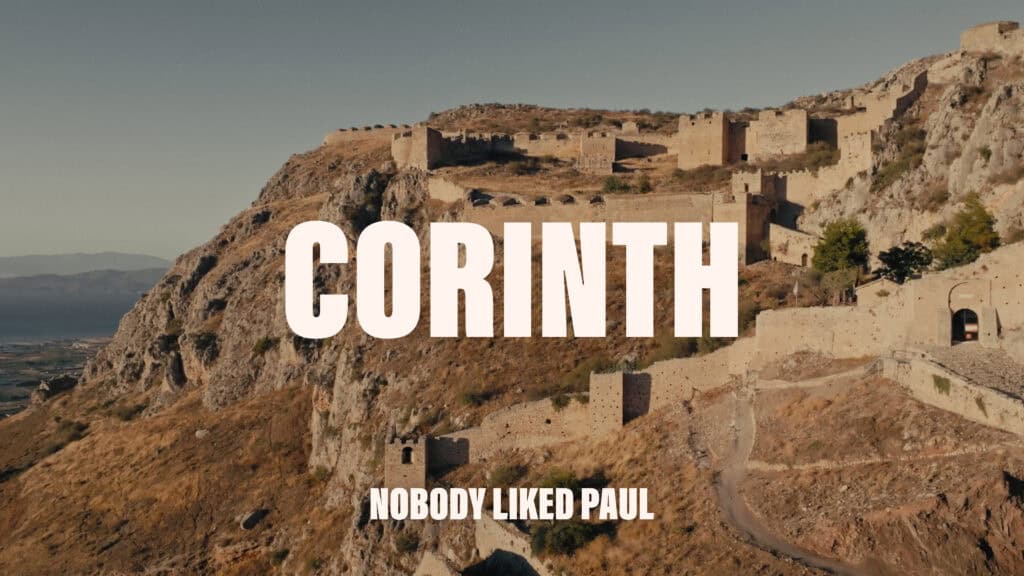
The Apostle Paul may now be associated with religious reverence, but in his own lifetime he was really, really troublesome to a lot of people. He ran into legal trouble in Philippi, Corinth, Jerusalem and Rome. He was chased out of Philippi, Thessaloniki, Berea, and Ephesus. He incited a riot in Ephesus, and was ultimately martyred in Rome after years of house arrest.
Learn more in Season 1, Episode 3
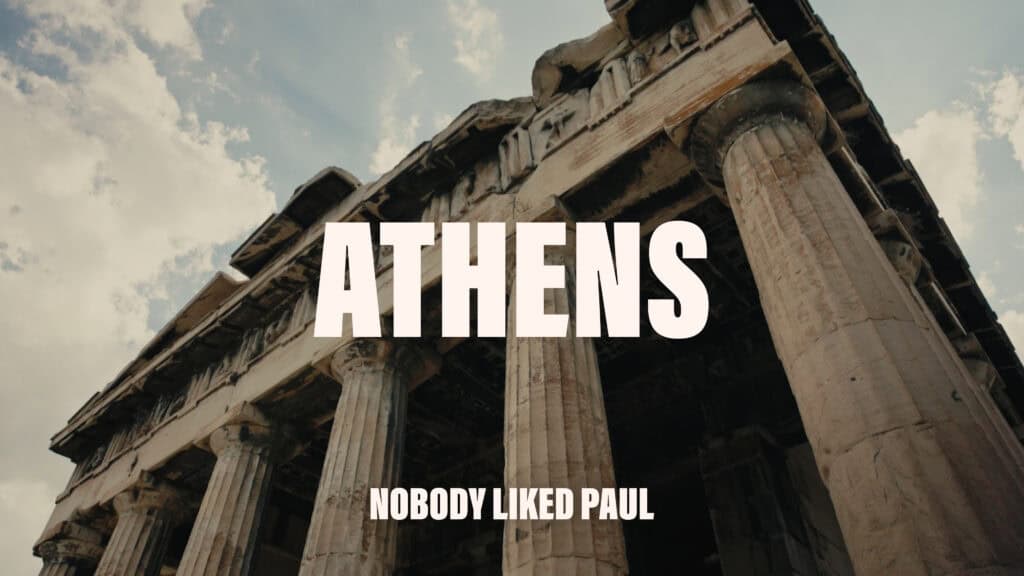
The Areopagus, where Paul delivered his famous “unknown god” sermon,” refers to both a place and the council that met there to discuss law, philosophy, and religion. The ruins still exist today.
Learn more in Season 1, Episode 1
Enjoy a 7-day free trial with full access to every series—no risk, no pressure.
Monthly
$9.99/month
Yearly
$109.89/year
By subscribing, you consent to our Privacy Policy and agree to receive updates.